Read charger input labels, separate plug shape from voltage and choose an international charging setup that matches the equipment you actually pack.
Our advice is based on published information and the use cases explained below. Manufacturer links in this guide are ordinary links, not paid placements. How links work.
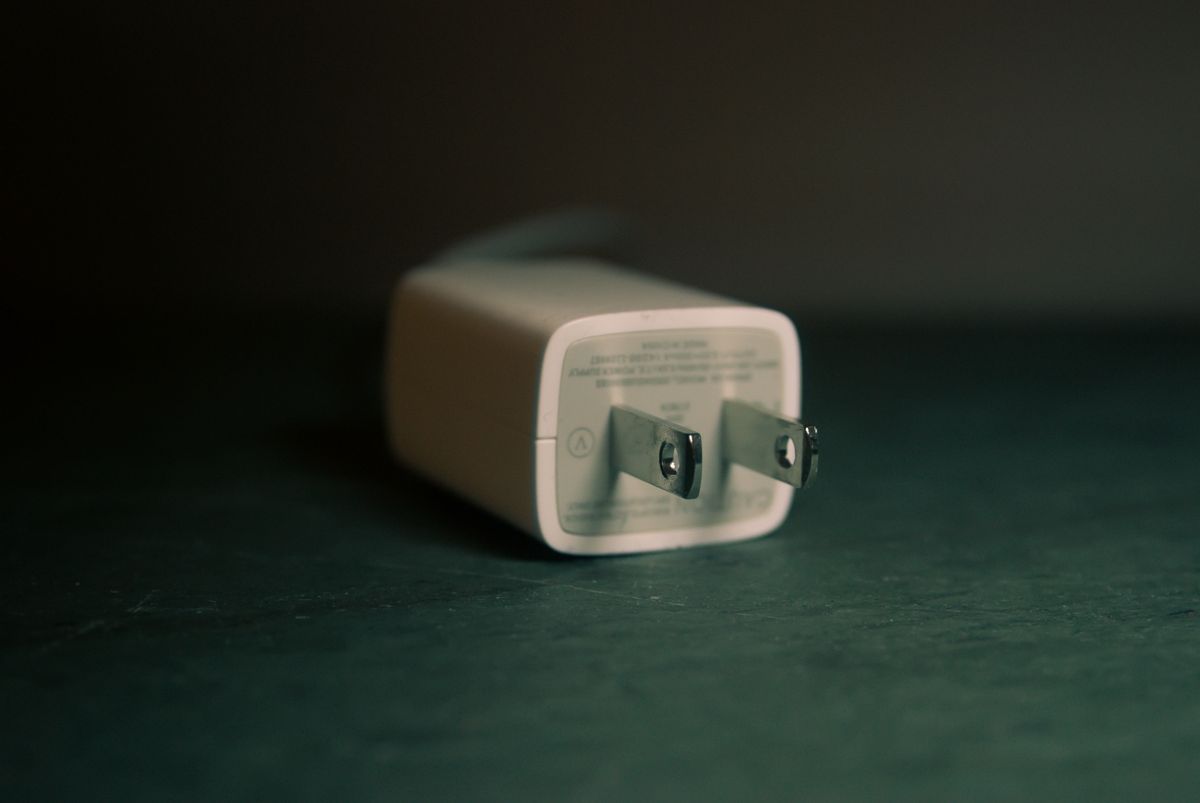
A plug adapter changes the physical connection; it does not convert the mains voltage. Read each charger's input label and the destination requirements before buying travel accessories. For compatible electronics, the right adapter and existing charger may be all you need. For equipment whose input does not match, ask its manufacturer for an approved solution rather than guessing that a universal adapter makes it suitable.
Begin with the label on the charger
Packing for an overseas trip often starts with a bag of cables and a search for a universal adapter. A better first step is reading the input information on each device's charger. Make a short list for the phone, laptop, camera and any specialist equipment you intend to carry. Record the stated voltage range and frequency requirements, then compare them with the electrical supply at the destination. Do not assume every item in the same bag accepts the same input.
SKROSS explains that many electronic power supplies accept a broad input range, but also tells travelers to check the actual nameplate. Treat that as a reason to inspect your own equipment, not a blanket approval for all gadgets. A charger marked for a particular range should only be used as its manufacturer permits. If the label is unreadable or the documentation is unclear, ask the manufacturer before departure instead of resolving uncertainty by trying the device in a hotel room.
Keep plug shape and voltage as separate checks
A travel plug adapter provides a physical connection between a plug and a different outlet arrangement. SKROSS explicitly states that its travel adapters are not voltage converters. The fact that a plug now fits does not establish that the connected appliance accepts the electricity supplied. This distinction becomes especially important when the packing list expands beyond phone and laptop chargers into grooming equipment or other appliances with different input requirements.
A voltage converter is a different device with its own electrical rating and permitted uses. Do not choose one merely because its name promises worldwide travel. If equipment needs a different input supply, consult its manufacturer about the appropriate solution and any restrictions. For an occasional trip, leaving that appliance at home or using a suitable locally provided alternative may be simpler than transporting additional conversion hardware. Convenience is valuable only after the compatibility question is settled.
Select an adapter for the exact route
Check the destination and any stopovers where you will actually use wall power. A single-country adapter can be compact for a straightforward visit, while a multi-country design can be convenient for a longer itinerary. Neither description guarantees compatibility with every outlet or plug type. Read the maker's country and plug coverage and the adapter's input-plug restrictions. Pay particular attention to grounding requirements rather than assuming that a universal-looking housing preserves every connection your equipment needs.
Consider physical fit alongside electrical compatibility. A bulky charger and adapter combination may be awkward beside a wall switch, behind a desk or in a recessed socket. Compare the adapter's dimensions and the position of the charger's cable. Favor a straightforward supported connection and follow instructions about indoor use and other operating conditions. Avoid solving an inconvenient shape by improvising a stack of accessories whose combined use the manufacturers have not described.
Understand what the USB ports actually provide
An adapter with USB ports combines more than one function, but its mains outlet and USB charging outputs still need separate evaluation. Read the published output information for each port and the allocation when several devices are connected. A USB-C socket does not by itself establish suitable laptop charging. The travel adapter may conveniently charge a phone while your laptop still needs its own compatible power supply. Plan that arrangement before deciding the existing laptop charger can stay at home.
Also review the adapter's permitted mains load and its instructions for connected equipment. A product's headline rating is not an invitation to attach any appliance through any available socket. SKROSS manuals specify device limits and usage conditions for individual adapters; consult the manual matching the exact version you buy. Keep the decision focused on your planned electronics and avoid expanding the kit into a makeshift power distribution system merely because a product presents several connection options.
Build the smallest confirmed charging system
Lay out the complete route from wall outlet to device: compatible adapter, charger and correctly specified cable. Check that each part has a clear role and that enough cable length remains for a useful charging position. If you need several devices overnight, choose equipment whose simultaneous output is documented. For a short holiday, charging accessories in sequence may allow a simpler kit than buying a large adapter with ports that duplicate the charger already in your bag.
Our purchasing order is input compatibility first, destination plug coverage second and convenience features last. Keep instructions accessible and inspect equipment for damage before packing. The official FAQ and manual below explain the distinction between adaptation and conversion; use the exact product documentation for the final choice. If a device does not have a confirmed compatible input arrangement, resolve that with its manufacturer before travel. A small, understood kit is easier to use than a collection of accessories bought for uncertain possibilities.
Choose for the way you use it
| Situation | Check | Buying implication |
|---|---|---|
| Charger accepts destination supply | Input label, frequency and plug compatibility | A suitable plug adapter may be sufficient |
| Input does not match | Manufacturer-approved options | A plug adapter alone is insufficient |
| USB-equipped adapter | Published output with all intended devices | Built-in ports may not replace the laptop charger |
Before you buy
- Read the input label on every charger and appliance.
- Check destination outlet types and the adapter's exact coverage.
- Verify grounding and permitted load in the product instructions.
- Read USB output allocation separately from mains-outlet ratings.
Common questions
Does a universal travel adapter convert voltage?
The word universal does not establish voltage conversion. A plug adapter changes the connection. Read the exact product documentation and the connected equipment's input label.
Can an adapter's USB-C port charge my laptop?
Only if its published power output and supported charging arrangement meet the laptop's requirements. The connector shape alone is insufficient evidence.
Sources & further reading
Official information consulted October 19, 2026. Buying recommendations and use-case judgments are TechPixl editorial analysis.