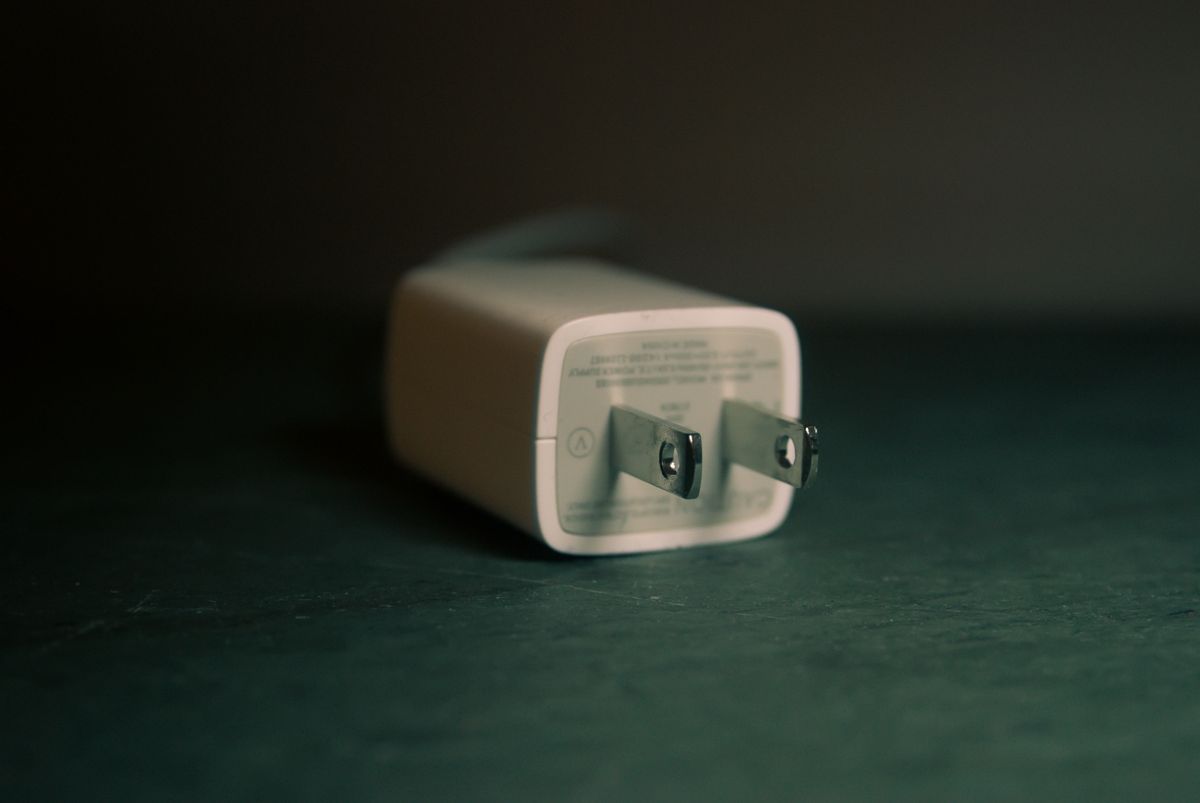
Find a tech pouch that holds your actual charger and cables, opens comfortably on a small desk and makes it easier to notice missing gear before checking out.
Our advice is based on published information and the use cases explained below. Manufacturer links in this guide are ordinary links, not paid placements. How links work.
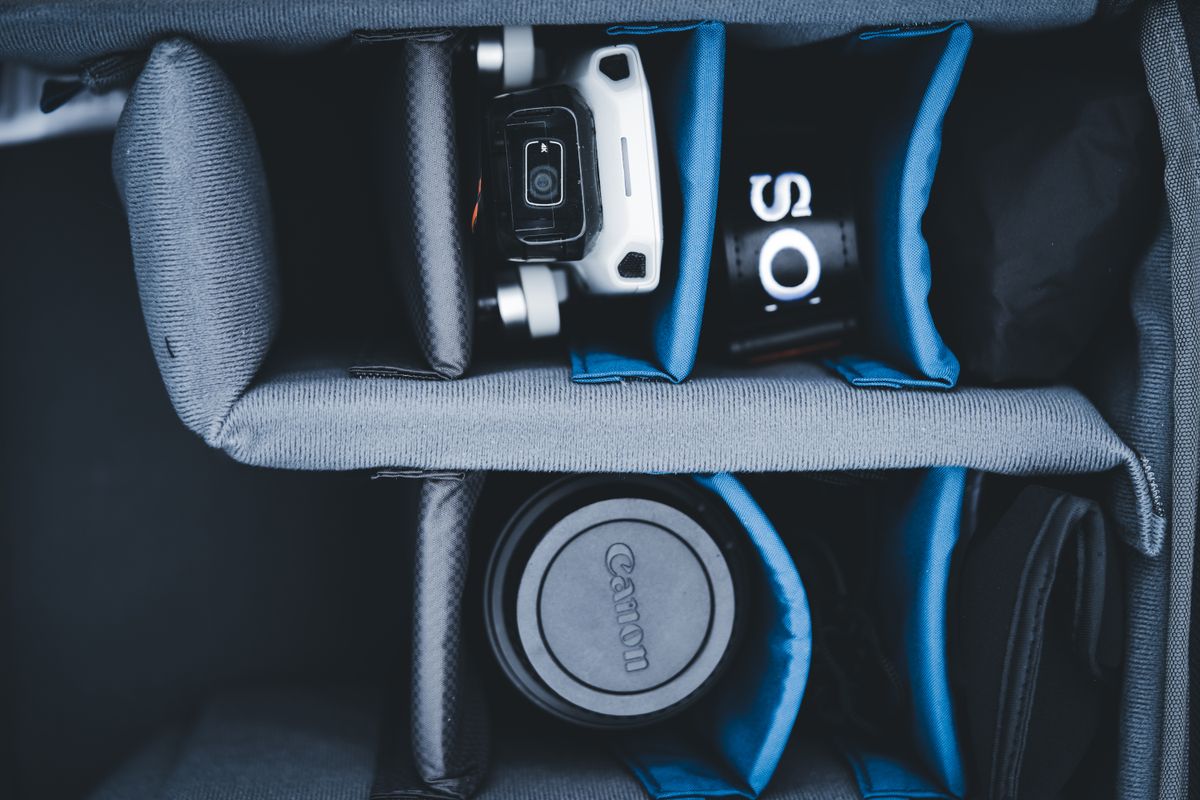
Choose the smallest pouch that comfortably holds your normal kit without tight bends, pressure or a struggle to close the zipper. Structured dividers suit a repeated charging setup; a simple soft organizer suits bulky items and changing loads. Before paying for an elaborate interior, decide whether the pouch will live in your backpack or move onto a hotel desk several times each day.
Pack the departure-day kit first
A travel organizer looks most convincing when photographed with a carefully chosen collection of tiny objects. Your real kit may contain a large laptop charger, a watch puck, an awkward adapter and a mouse. Put those items on a table before comparing bags. Remove duplicates and accessories that belong to devices staying home. Buying an organizer to accommodate an imaginary future kit is an easy way to carry unnecessary bulk.
Separate frequent access from occasional backup. The cable used on a train should be reachable without opening every compartment. The card reader used once after a holiday can sit deeper inside. If headphones already have a case, they may not belong in the pouch at all. An inventory makes the buying decision about access and fit rather than how many pockets appear in the product description.
Structure helps until the shape is wrong
A divided organizer can give each small item an obvious home, making a checkout scan easier. Peak Design's Tech Pouch range illustrates this approach, with small and regular options rather than a single universal size. Compare the current dimensions against your charger and the space in your backpack. A product designed around many smaller accessories may be less efficient if you mainly carry one large power brick.
A soft zip pouch sacrifices individual compartments but adapts more easily to irregular objects. TOM BIHN's accessories collection includes organizer options worth comparing if flexibility is the priority. Neither approach is inherently more professional or more secure. Choose structure when it reduces searching in your specific kit, and choose simplicity when dividers would consume the room that your equipment actually needs.
Think about the surface where it opens
Picture a narrow café table with a laptop, cup and notebook already occupying most of the space. A pouch that opens wide and stays upright can be easy to browse, but its working footprint may be much larger than its packed dimensions. A flat organizer may fit neatly beside a computer while spreading accessories over more of the table. Product photos showing the open position are essential information.
For airport use, you may prefer to open the organizer while it remains partly inside a backpack. Check zipper access and whether small objects can spill when the bag tilts. If you tend to move between meetings, a grab handle can be more relevant than a large number of card slots. Judge each detail against a moment in your day rather than treating every added feature as automatic value.
Protect the equipment without creating pressure
Store cables in relaxed loops and keep heavy objects from pressing against fragile connectors. An organizer should close naturally with your normal load. If you need to force the zipper, the pouch is either too small or holding too much. Padding can be useful for delicate accessories, but it also increases the external size. A durable fabric description does not make a pouch a protective hard case.
Keep liquids and damp items away from charging equipment. Water-resistant materials or zippers should not be read as permission to put an organizer in the same wet compartment as a leaking bottle. Battery carriage has its own requirements, so a pouch selected for convenience still needs to allow safe packing and access. Think of organization as a way to manage equipment deliberately, not as a substitute for its handling instructions.
Pay for daily access, not unused compartments
A premium pouch makes the most sense when you regularly unpack the same kit and the layout removes a repeated annoyance. For one annual trip, a simple organizer you already own may work well. Compare the empty weight, zipper arrangement, inside visibility and return terms before choosing. A pale interior can make dark cables easier to distinguish, but the shape of your own equipment remains the deciding factor.
When the pouch arrives, load it with the complete kit and place it in the actual travel bag. Open it on a desk and rehearse a quick departure check. Can you tell at a glance whether the main charging cable is missing? Can you remove the charger without pulling out everything else? If those answers are yes, the organizer is doing its job even if several advertised pockets remain empty.
Choose for the way you use it
| Use case | Look for | Tradeoff |
|---|---|---|
| Repeated small-accessory kit | Visible dividers and easy-open layout | Structure consumes some interior space |
| Bulky charger and adapters | Flexible open compartment | Small items need more deliberate packing |
| Frequent train access | Accessible zipper and compact open footprint | Fewer compartments may be preferable |
Before you buy
- Measure the largest charger including its plug.
- Check the pouch's open footprint against your usual desk space.
- Load cables without forcing tight bends or the zipper.
- Confirm it fits the backpack compartment you will actually use.
Common questions
Does every accessory need its own pocket?
No. A few clearly assigned places can be faster to use than many tiny compartments. The right arrangement lets you identify and retrieve the items you use most.
Should a power bank share the pouch?
Only if it can be protected appropriately, kept accessible and packed according to its instructions and travel rules. Do not crowd it beside loose metal objects.
Sources & further reading
Official information consulted October 19, 2026. Buying recommendations and use-case judgments are TechPixl editorial analysis.