Match running headphones to park loops, treadmill sessions, glasses, sweat, and storage, with a practical look at open-ear awareness and in-ear isolation.
Our advice is based on published information and the use cases explained below. Manufacturer links in this guide are ordinary links, not paid placements. How links work.
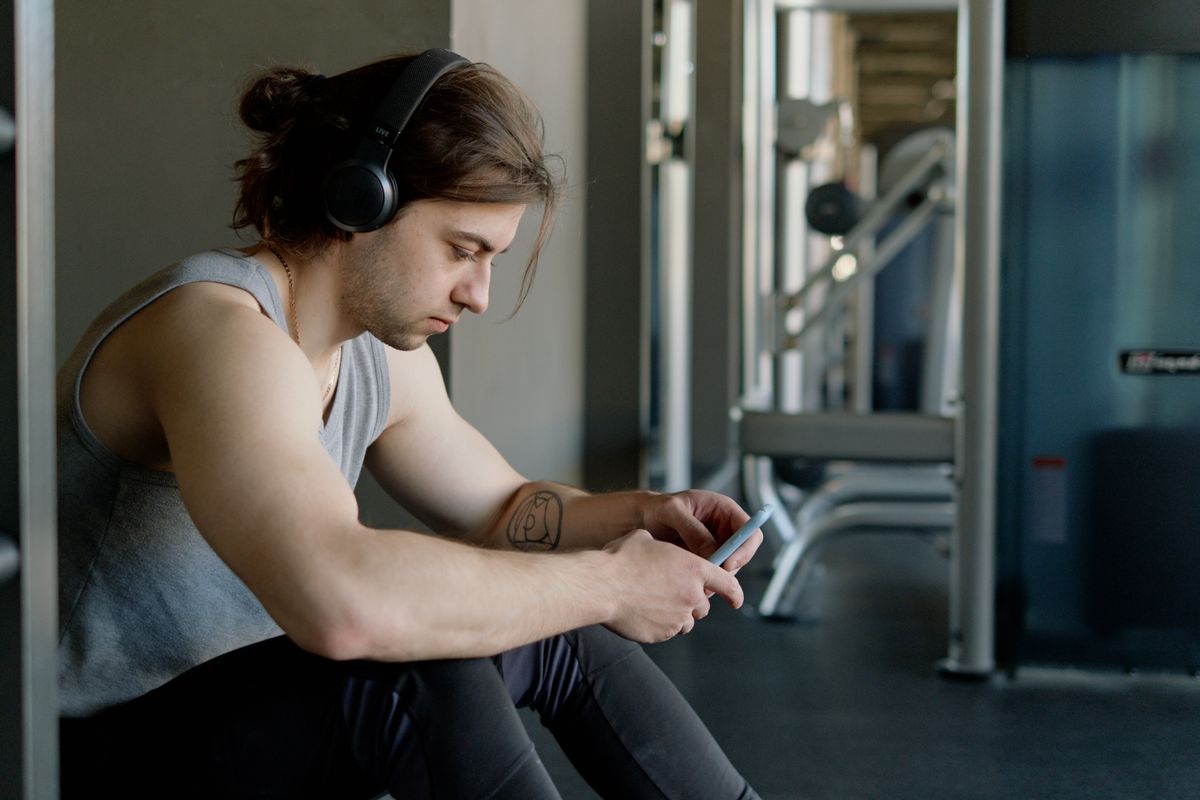
Open-ear designs are worth considering when you dislike an ear-canal seal and want less physical isolation; in-ear models may suit controlled indoor sessions where a secure seal is comfortable. Neither type guarantees awareness or safety. TechPixl Editorial puts fit during movement, simple controls, and the exact product's water-resistance guidance ahead of headline sound claims when choosing exercise audio.
A park run and a treadmill are different purchases
An early park loop may include cyclists, dogs, crossings, and a conversation with a running partner. A treadmill session has a different challenge: gym sound that makes quiet speech difficult to follow. Choosing one pair for both means accepting a compromise. Begin by identifying the session you actually complete most often rather than the ambitious training plan you might start next month.
An open-ear design leaves the ear canal physically unsealed. That can suit runners who dislike the sensation of tips, but music still competes for attention. For junctions and busy shared paths, pausing audio is a more dependable habit than trusting a product label to maintain awareness for you.
Understand what open-ear means
Open-ear is a description of how a product is worn, rather than a single speaker technology. Shokz describes OpenRun as a bone-conduction product with an open-ear fit; other products use small speakers directed toward the ear. Do not assume that every open-ear model works the same way, sounds the same, or tolerates the same conditions. Compare the manufacturer's specific design and care instructions.
The practical questions are physical. Does a band interfere with a cap? Do hooks compete with glasses? Will the product stay comfortable when you turn your head or look down at a watch? Those answers have more influence on regular use than a promotional description of an expansive listening experience.
A secure fit should not require constant adjustment
In-ear earbuds rely on the shape of your ears, the supplied tips, and any stabilizing fins or hooks. A pair that fits at a desk can behave differently when you sweat or talk. Check whether multiple sizes are included and whether replacements can be ordered. Apple notes the importance of a good fit for noise-control features on supported AirPods Pro; the underlying purchasing issue is the same here: fit changes what you hear.
Do a cautious movement check at home within the retailer's permitted return conditions. Walk, turn your head, and put on the clothing you run in. If the design repeatedly needs adjustment before a workout even begins, spending more on its audio features is unlikely to make it the right shape.
Read the resistance claim before getting it wet
Sweat resistance is not a general permission to swim, shower, or clean headphones under a tap. Water-resistance statements describe a particular model under defined conditions, and charging needs its own precautions. Check the exact manual for cleaning and drying instructions. Do not transfer a rating from one member of a product family to another with a similar name.
For a rainy commute to the gym, a separate dry compartment can be more useful than an accessory promising extra ruggedness. Consider how easily you can wipe the product down, how the charging contacts are protected, and whether a proprietary charging lead would be frustrating to replace when you travel.
Controls and volume matter more mid-run
Tiny touch targets can become awkward with gloves, cold fingers, or a damp sleeve. Look for a clear method to pause, lower volume, and answer or reject a call. Decide whether you want incoming calls at all during exercise. The ability to leave notifications off may be more useful than elaborate voice features if your goal is a quiet half hour outside.
Do not compensate for a noisy route by steadily raising volume. Change the route, pause playback, or choose a quieter place for spoken audio. Open-ear headphones deliberately allow external sound to compete with playback, so buying them with the expectation of subway-like isolation misunderstands the tradeoff you are accepting.
Buy for the routine you can maintain
For social park runs, an open design with a stable fit deserves a place on the shortlist. For mostly indoor exercise, well-fitting in-ear earbuds may be more convenient, particularly if their case already fits in your gym bag. If you run without audio several days a week, a modest dedicated pair may be enough; you do not need to replace your commuting headphones too.
Before purchasing, inspect the official sizing, cleaning, and charging information. Include the cost of spare tips or a replacement cable in your budget. TechPixl Editorial would choose a comfortable repeatable setup and a sensible return window before paying for premium wireless formats that may provide little practical benefit during a short workout.
Choose for the way you use it
| Use case | Look for | Tradeoff |
|---|---|---|
| Shared park path | Stable open fit and quick pause | External noise competes with audio |
| Indoor treadmill | Comfortable tips and secure retention | Greater physical isolation |
| Glasses and cap | Space around arms and band | Fit can be highly individual |
Before you buy
- Check fit with your usual glasses and cap.
- Read model-specific sweat and cleaning instructions.
- Confirm pause is easy with gloves or damp hands.
- Check replacement charging leads or ear tips.
Common questions
Do open-ear headphones make running safe?
No. They leave the ear canal unsealed but cannot guarantee attention or awareness. Keep volume modest and pause or remove audio when conditions demand it.
Can I swim with sweat-resistant headphones?
Only if the exact model is specifically designed and approved for that activity. A sweat or splash statement does not establish swimming suitability.
Sources & further reading
Official information consulted October 19, 2026. Buying recommendations and use-case judgments are TechPixl editorial analysis.